Recognizing the Warning Signs of Compulsive Gambling
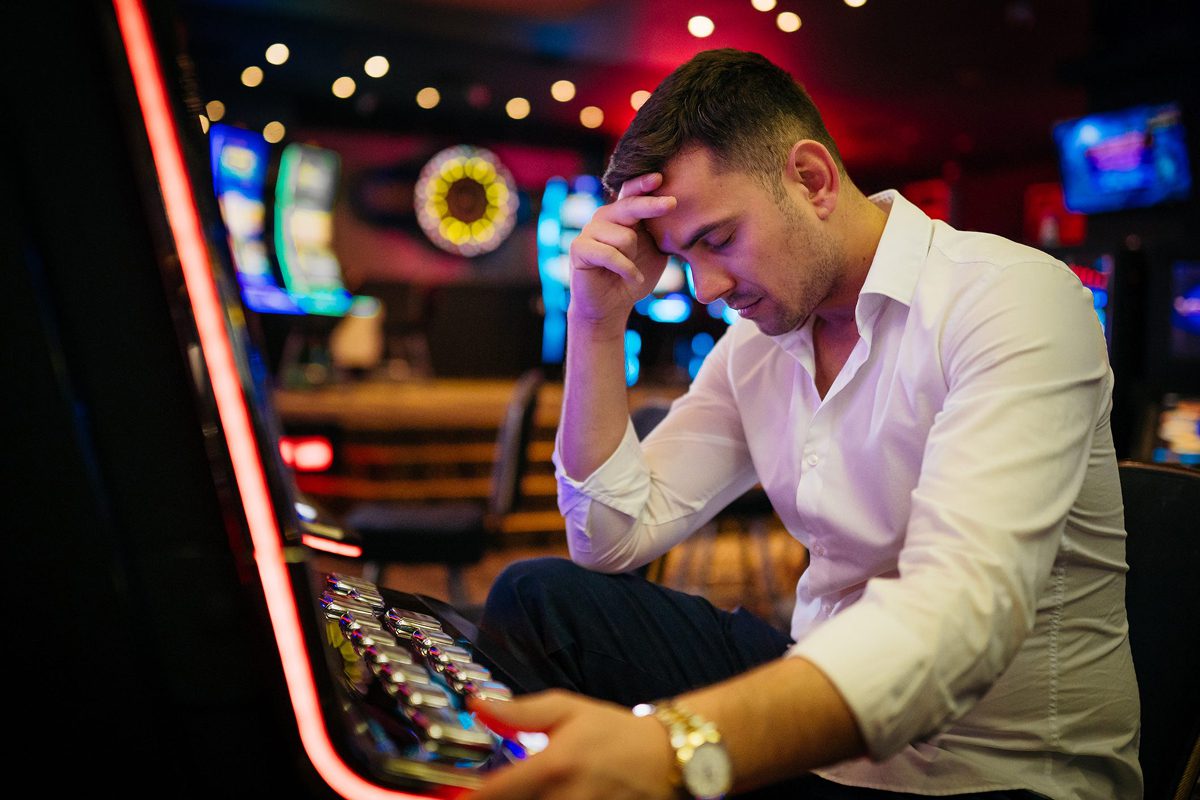
Gambling can start as a fun and harmless activity, yet it can spiral into a compulsive behavior that takes control over the life of you or a loved one.
Why is Gambling Addictive?
Gambling addiction, also known as compulsive gambling or gambling disorder, is a mental health condition that affects your ability to resist the urge to gamble. Here’s why gambling can become addictive:
The thrill of the bet
Gambling activates the brain’s reward system, releasing dopamine, the same chemical involved in other addictive behaviors. This chemical release creates a feeling of euphoria similar to the high experienced from drugs or alcohol. Over time, gamblers may chase these feelings, leading to addiction.
The illusion of control
Many gambling activities, like betting, appear to involve skill and strategy, giving gamblers the illusion that they can control the outcome. This perceived control can reinforce the behavior, making it hard to stop even when losses accumulate.
Near misses and intermittent rewards
Slot machines and other forms of gambling often use “near misses” to entice players. These are almost-win situations that encourage continued gambling. The unpredictability of wins, known as intermittent rewards, also keeps players engaged, as they anticipate the next big win.
Identifying Compulsive Gambling: Warning Signs to Watch For
Recognizing the signs of gambling addiction is the first step in addressing the problem. Here are some key indicators:
Preoccupation with gambling
A person with a gambling addiction may constantly think about gambling, plan their next bet or fantasize about winning. They might spend excessive time gambling, even at the expense of relationships and responsibilities.
Increasing bets to feel the thrill
To achieve the same excitement, individuals may increase the size of their bets over time. This escalation is a significant sign of addiction, as it reflects the need to recreate the initial thrill.
Chasing losses
Compulsive gamblers often try to win back money lost by gambling more, a behavior known as “chasing losses.” This can lead to a dangerous cycle of increasing bets and mounting debts.
Lying and secrecy
People with gambling problems may lie about their activities to friends and family, hiding their gambling habits. They might also downplay losses or exaggerate wins to avoid confrontation or judgment.
Financial troubles
Gambling addiction can lead to severe financial issues, including mounting debts, unpaid bills or even bankruptcy. A person could borrow money or sell possessions to fund their gambling habit.
Withdrawal symptoms
When not gambling, people might experience withdrawal symptoms such as irritability, restlessness or depression. These symptoms indicate dependency and the body’s reaction to the lack of gambling-related dopamine.
How to Help Someone with a Gambling Addiction
Supporting someone with a gambling addiction requires empathy, understanding and practical steps. Here’s how you can help:
Start a conversation
Approach your loved one with compassion and concern. Express how their gambling behavior affects you and others. Use “I” statements to communicate your feelings without blaming or shaming them.
Encourage professional help
Gambling addiction is a complex issue that often requires professional treatment. Encourage your loved one to seek help from a mental health professional, a counselor specializing in addiction or a support group like Gamblers Anonymous.
Set boundaries
Establishing boundaries can protect your emotional and financial well-being. This might include refusing to lend money or limiting discussions about gambling.
Offer emotional support
Recovery is a challenging journey. Provide emotional support by being present, listening and encouraging positive behavior changes. Celebrate small victories to boost their confidence.
Educate yourself
Learn more about gambling addiction and its effects. Understanding the disorder can help you offer informed support and recognize the challenges your loved one faces.
Explore treatment options
There are various treatment options available, including cognitive-behavioral therapy (CBT), medication and support groups. Explore these options together and support your loved one in finding the best fit for their needs.
Encourage healthy habits
Help your loved one replace gambling with healthier activities. Encourage hobbies, exercise and social interactions that don’t involve gambling. These activities can provide alternative sources of enjoyment and fulfillment.
Compulsive Gambling Treatment: Steps to Recovery
Recovery from gambling addiction is possible with the right approach and resources. Here are key steps in the treatment process:
Acknowledgment and acceptance
The first step in recovery is acknowledging the problem and accepting the need for help. This requires honesty and self-reflection, often supported by family and friends.
Seeking professional assistance
Professional treatment can include therapy, counseling and medication. Cognitive-behavioral therapy (CBT) is particularly effective in changing gambling behaviors and addressing underlying issues.
Building a support network
A strong support network of family, friends and support groups is vital for recovery. These connections provide encouragement, accountability and a sense of community.
Developing coping strategies
Learning to cope with triggers and stressors without resorting to gambling can help. Therapy can develop these strategies and build resilience against relapse.
Ongoing monitoring and relapse prevention
Recovery is an ongoing process that requires vigilance. Regular check-ins with a counselor or support group can help prevent relapse and maintain progress.
Recognizing the warning signs of compulsive gambling is the first step in helping a loved one regain control of their life. With understanding, empathy and the right resources, recovery is possible. Encourage those struggling with gambling addiction to seek professional help and offer your unwavering support throughout their journey.
Remember, you’re not alone in this process—there are resources and communities ready to help you and your loved one overcome gambling addiction.
HRI Hospital, located in Brookline, MA, provides a comprehensive and empathetic approach to behavioral health care. We provide a wide range of psychiatric programs, including both an inpatient program and a partial hospitalization program for people struggling with addiction.