Signs of Depression in Women
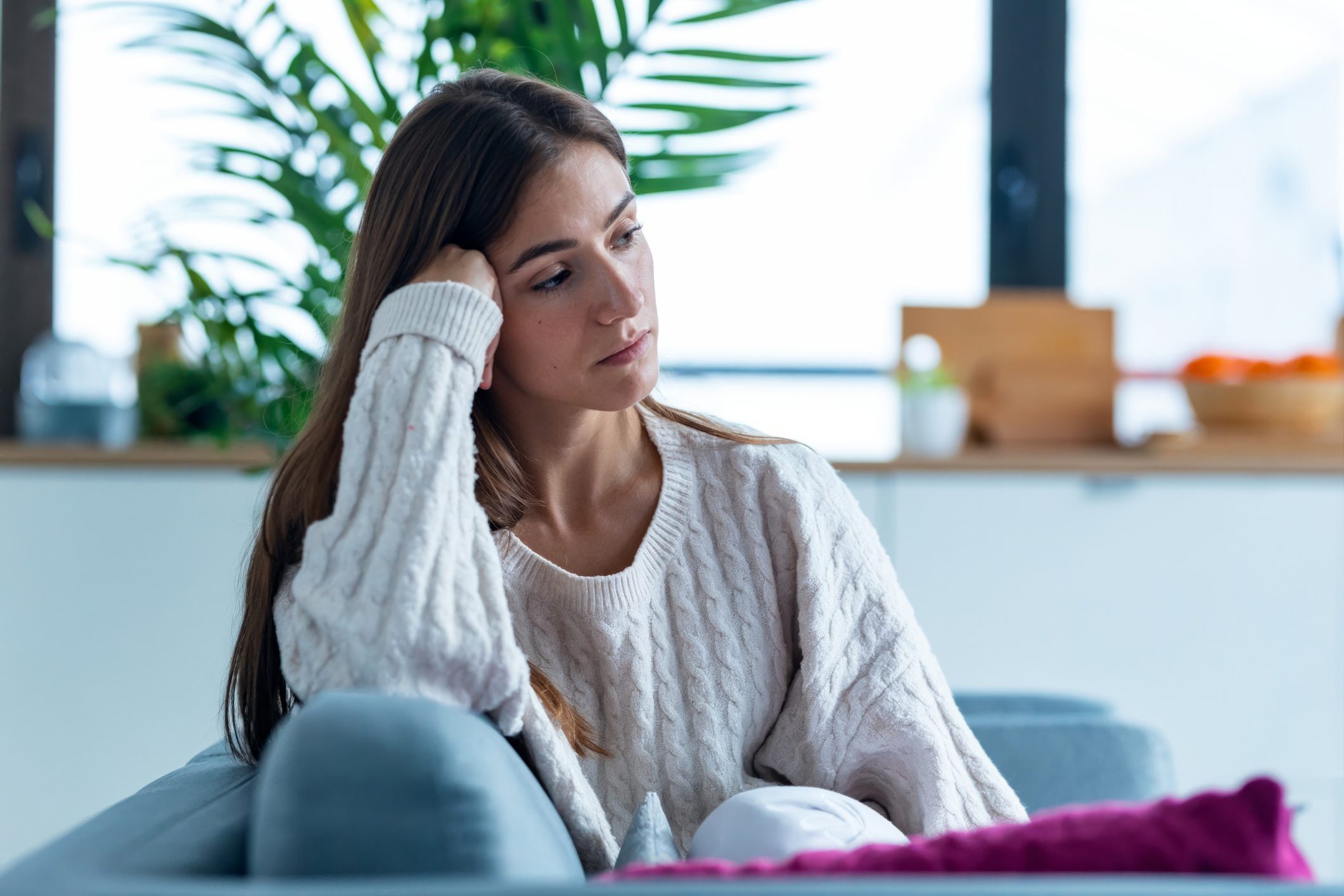
Depression is a common mental health issue that affects millions of people worldwide, with women being particularly vulnerable. Understanding the signs and symptoms of depression in females is important for early detection and effective treatment.
Types of Depression
There are several types of depression that women may experience, each with its own set of symptoms and triggers. Understanding these can help in seeking treatment and support.
Major depressive disorder (MDD)
MDD is characterized by persistent feelings of sadness, hopelessness and a lack of interest in activities once enjoyed. This type of depression can interfere with daily functioning and requires professional intervention.
Persistent depressive disorder (PDD)
PDD, also known as dysthymia, is a chronic form of depression where symptoms last for at least two years. While symptoms might not be as severe as MDD, they can still significantly impact a woman’s quality of life.
Postpartum depression
Postpartum depression occurs after childbirth and can affect a woman’s ability to care for her newborn. It’s essential for new mothers to seek help if they experience symptoms like severe mood swings, anxiety or overwhelming fatigue.
Premenstrual dysphoric disorder (PMDD)
PMDD is a severe form of premenstrual syndrome (PMS) that can cause extreme mood shifts, irritability and depression before menstruation. Treatment often involves both medication and lifestyle changes.
Seasonal affective disorder (SAD)
SAD is a type of depression that occurs at certain times of the year, usually during the fall and winter months when daylight is reduced. Light therapy and medication can be effective treatments.
Signs and Symptoms of Depression
Identifying the signs of depression can be challenging, as they often overlap with other conditions. However, some symptoms are more common in women and should not be ignored:
- Persistent sadness or anxiety: Feeling empty, hopeless or having a sense of impending doom
- Loss of interest or pleasure: Losing interest in hobbies or activities once enjoyed
- Sleep disturbances: Experiencing insomnia or sleeping too much
- Changes in appetite or weight: Significant weight loss or gain unrelated to dieting
- Lack of energy: Feeling fatigued or having decreased energy levels
- Difficulty concentrating: Trouble focusing, remembering or making decisions
- Physical symptoms: Unexplained aches, pains or digestive issues that do not respond to treatment
- Thoughts of death or suicide: Having recurrent thoughts about death, dying or self-harm
Why Women Are More Prone to Depression
Several factors contribute to the higher prevalence of depression in women:
Biological factors
Hormonal changes during menstruation, pregnancy and menopause can affect mood and contribute to depression. Genetics also play a role, as depression can run in families.
Psychological factors
Women are more likely to experience stress and anxiety, which can lead to depression. They may also be more prone to ruminating, or dwelling on negative thoughts, which can exacerbate depressive symptoms.
Social factors
Societal pressures and gender roles can contribute to feelings of inadequacy or low self-esteem, increasing the risk of depression. Women are also more likely to face trauma, such as domestic violence or sexual abuse, which can trigger depression.
Seeking Help and Treatment Options
Early intervention is vital for managing depression effectively. There are several treatment options available, including:
Depression therapy
Therapy is a cornerstone of depression treatment. Cognitive behavioral therapy (CBT) and interpersonal therapy (IPT) are commonly used to help women identify and change negative thought patterns and improve their relationships.
Medication
Antidepressants can be effective in managing symptoms of depression. It’s important to work with a healthcare professional to find the appropriate medication and dosage for you.
Coping skills for depression
Developing coping skills can help women manage their symptoms more effectively. These may include:
- Mindfulness and relaxation techniques: Practicing meditation, deep breathing or yoga can reduce stress and improve mood.
- Regular exercise: Physical activity releases endorphins, which can boost mood and energy levels.
- Healthy lifestyle choices: Eating a balanced diet, getting enough sleep and avoiding alcohol and drugs can improve overall mental health.
Outpatient Depression Treatment
Outpatient treatment allows women to receive therapy and support while continuing to live at home. This option is ideal for those with mild to moderate depression who need flexibility in their treatment plan.
Supporting a Loved One with Depression
If you have a family member or friend struggling with depression, it’s essential to offer support and understanding. Encourage them to seek professional help and be patient as they navigate their treatment journey. Remember, your support can make a significant difference in their recovery.
At HRI Hospital, located in Brookline, MA, we provide a comprehensive and empathetic approach to mental health treatment. We provide a wide range of outpatient programs to guide you no matter where you are in your mental health journey.
If you or a loved one is experiencing a mental health crisis, CALL 988 or seek the nearest emergency room.
For physical health emergencies, CALL 911 or get to the nearest emergency room.